
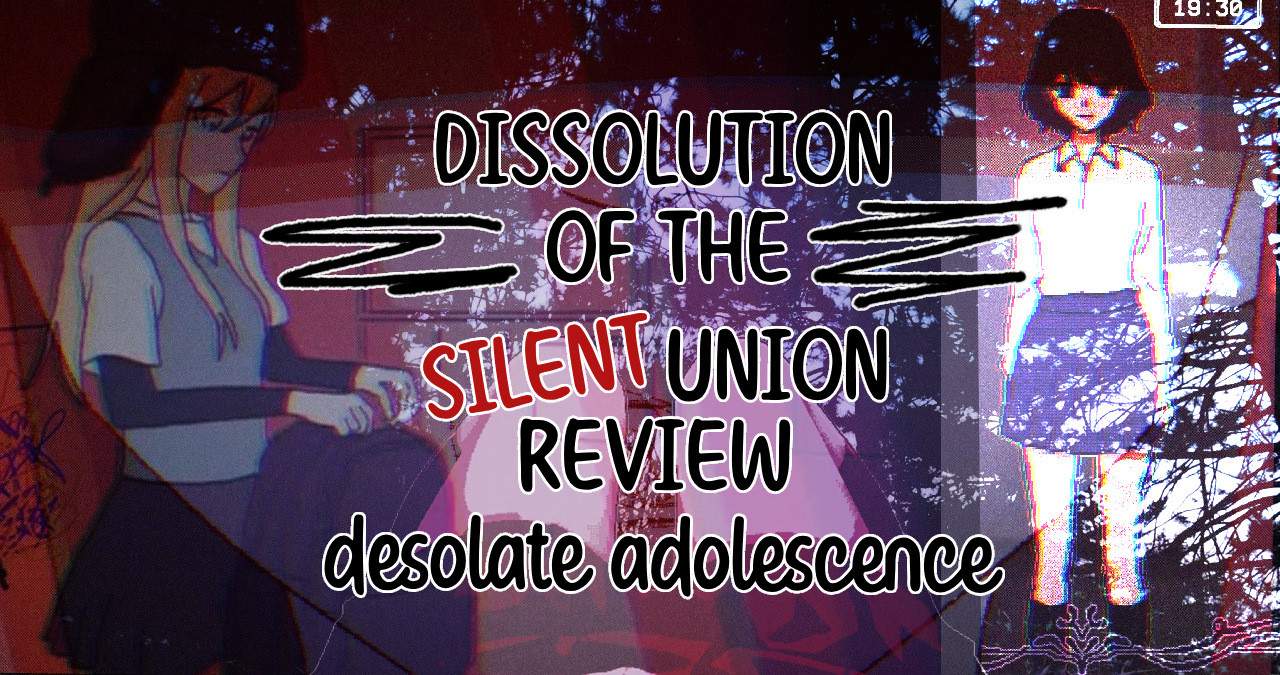
“Dissolution of the Silent Union thrives in its presentation and storytelling.“
Platform: PC | Release Date: 28 July, 2026 | Hours Played: 1.5 hours
A sense of belonging is a primal feeling that many of us seek in different aspects of our lives. School, work, friends and family – each small bubble offers us a glimpse of comfort, safety and security.
However, like any other feeling, whether it be hunger or happiness, that sense of belonging eventually passes. Time moves on, people leave, things change, and all that remains is the memory of what once was.
This is an idea that I feel Dissolution of the Silent Union explores particularly well. Although short, it provides an impactful look at a period that many of us experienced at a crucial point in our lives: adolescence.
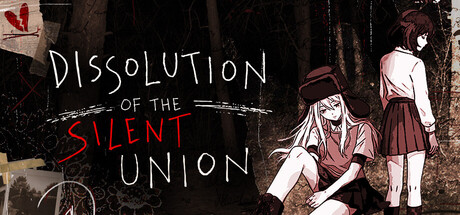
The game focuses on two main characters: Vera, who acts as our narrator, and Lena, her friend and the primary subject of the many shared experiences explored throughout the story.
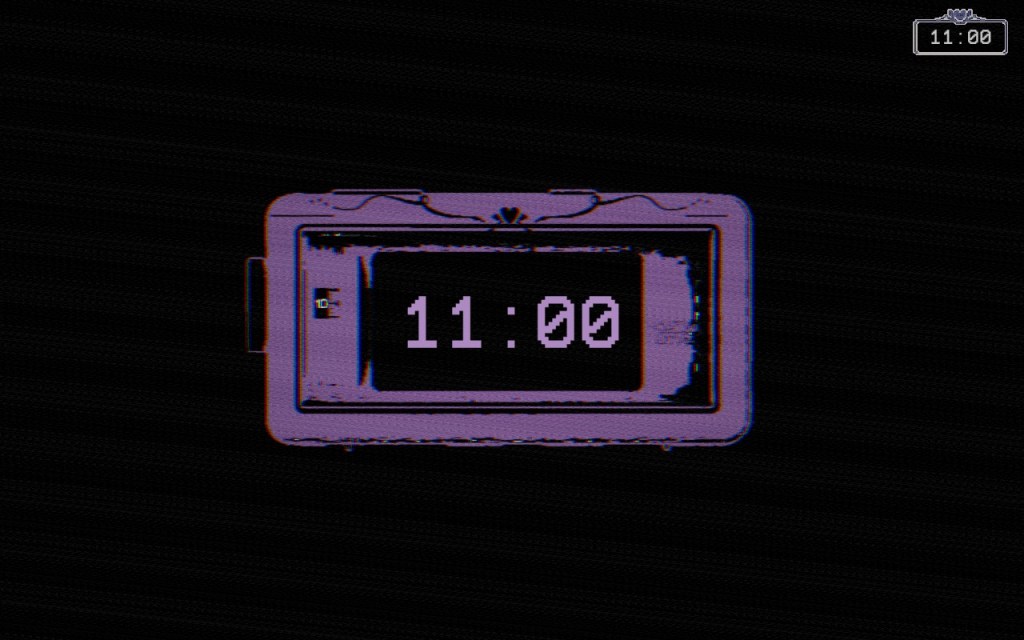
It begins with the MC spending some time alone in the school library, passing the time until she seemingly, and somewhat begrudgingly, has to meet her friend Lena at 7:30 PM.
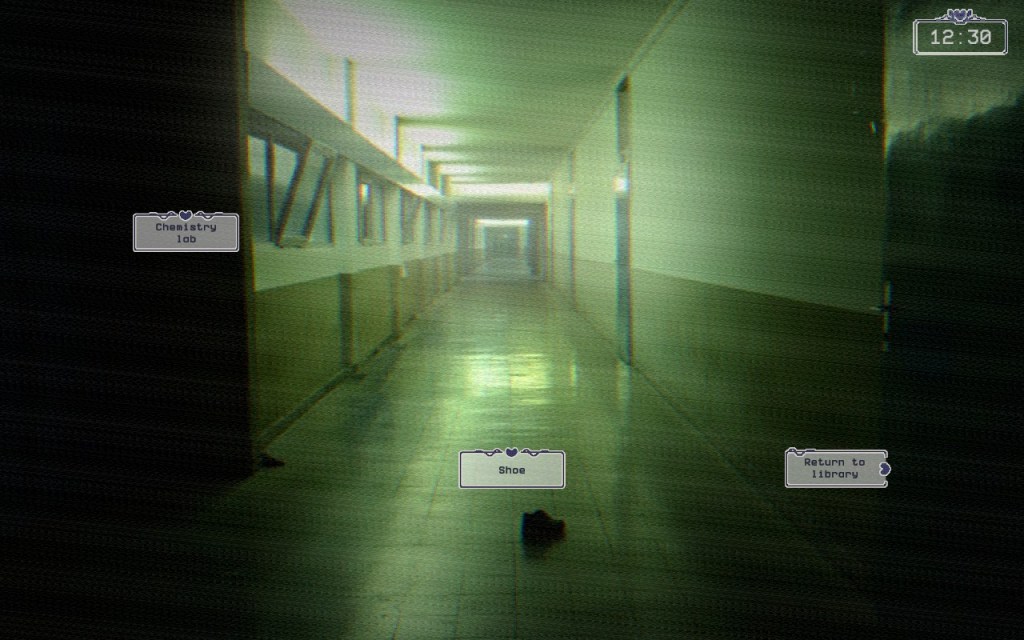
The gameplay itself is fairly straightforward. You are given a number of options to explore the different spaces around the school, and during these moments we are given snapshots of the MC’s personal musings, as well as events connected to these locations and memories of the past. The game has seven different endings, each providing another crucial piece of the overall picture and helping to explain why the MC feels the way she does at the beginning of the game.
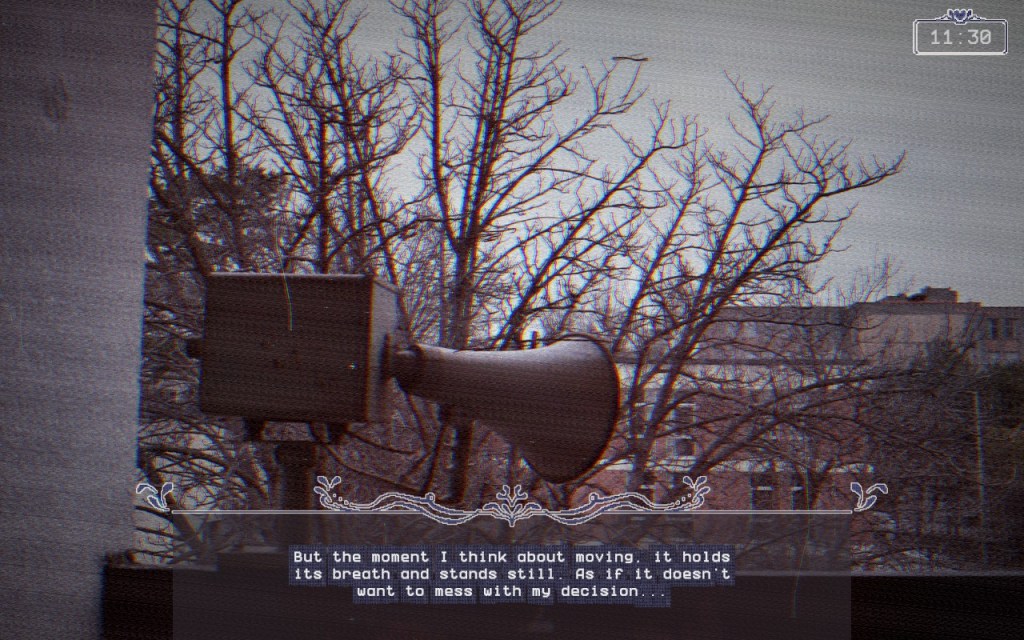
Visually, the game uses a mixture of animation and photorealistic backdrops. The opening scene alone uses actual photographs and clips of real liminal spaces, immediately capturing the thematic essence of the story. This creates a haunting and unnerving feeling, as if we are wandering through someone else’s dream.
Even though much of the environment remains static, everything is filtered through a hazy visual style that feels both uncanny and familiar.
I think this is a particularly effective way of representing memories. When we recall things we have done or said, we can often remember them with some degree of accuracy. Yet the places where those memories took place can remain strangely untouched in our minds, as though they have always looked exactly the way we remember them.
The music further reinforces this feeling, developing an atmosphere filled with tension and nostalgia. It makes you feel as though something is lurking around every corner, and yet you know that nothing truly dangerous will ever come to pass.
The game’s greatest strength, however, comes from its narrative and the way it explores its themes.
Melancholy is an overarching element throughout the story, largely because we experience everything directly through Vera’s perspective. The world feels barren and lonely. Even at the beginning of the game, there is an emphasis on the school’s population being counted at just one.
A school, a place that is normally associated with crowds, chatter and constant movement, is completely empty and drowning in silence.
The experience is genuinely isolating, particularly because we aren’t simply reflecting on major or extraordinary moments. Instead, we are presented with the mundane memories that Vera shares with Lena.

I would argue that this encapsulates the adolescent experience particularly well. As I mentioned at the beginning, belonging is a feeling that can become tied to specific moments in our lives. In this case, Vera finds that sense of belonging in the spaces in between – in the small, seemingly insignificant moments shared with the closest person she has.
Time is another theme that plays a central role throughout the plot. We always begin at the same time, and we explore everything until Vera has to meet Lena at their agreed time. Yet throughout our exploration, time is hardly treated linearly.
It feels almost like reading chapters in a book. The words remain where we first found them, yet returning to them later can give them a slightly different meaning.
8/10
Overall, Dissolution of the Silent Union thrives in its presentation and storytelling. Even the title itself can be interpreted in different ways depending on your pronunciation. “Dissolution” represents the breakdown of the relationship between the two main characters, while “disillusion” can be seen as representing the way the Vera and Lena feel about themselves.
Honestly, I think that’s one of the greatest strengths of my experience with this game: so much of it is left open to interpretation.
My only criticism, if I could even call it that, is the game’s length. I simply wish I had more time to explore its world and, particularly, Volyograd itself.
You can purchase Dissolution of the Silent Union on Steam.
This review was written as part of the Fall in Love Visual Novel Festival on Steam, and I was kindly provided with a review code by Umigame Studios.


Leave a Reply