
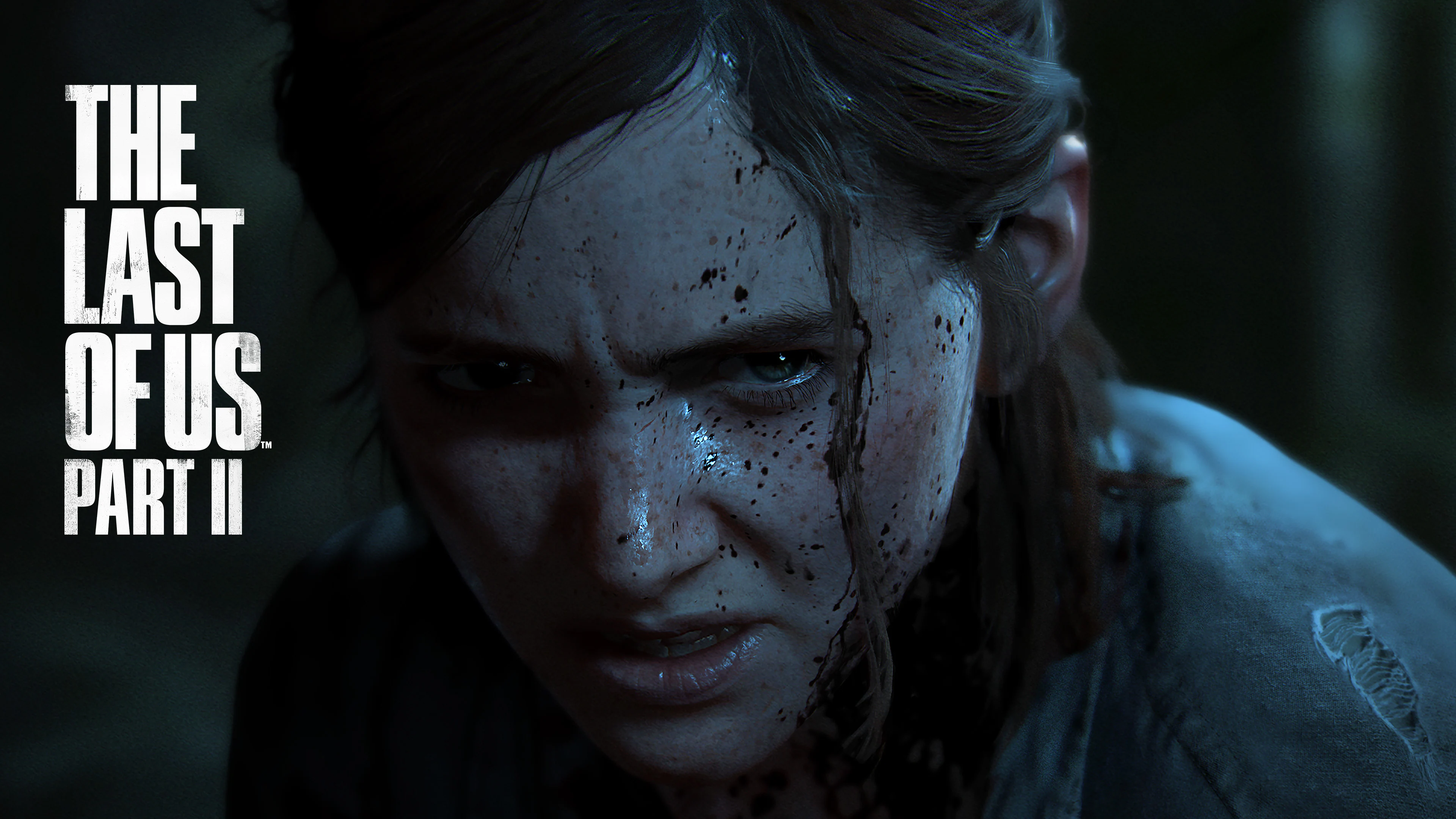
Long after my 36-hour campaign through The Last of Us Part 2, I still find myself reeling over the highs and lows wrought by its emotional campaign. The feeling closely resembles my first viewing of Bong Joon Ho’s Parasite, and I haven’t been able to stop analysing aspects of the game ever since. While many continuously debate its direction and conclusion, the game utilises and amplifies every element that made its prequel successful. Carrying the same careful emphasis on character development and thought-provoking narrative, The Last of Us Part 2 is a near-perfect sequel.
Where we left off…
The story picks up shortly after the first game and opens with a scene between Joel and his brother Tommy. Joel recaps and laments the events that occurred in Salt Lake City, wondering if he made the right call lying to Ellie. Although he’s aware of the damage the truth could cause in their relationship, he strives to rebuild the bond they developed throughout their journey. Jumping five years ahead, Joel and Ellie are now prominent members within Jackson, becoming accustomed to a somewhat peaceful life. This, unfortunately, comes to an abrupt end within the first few hours of the game, as past sins come to collect their debt.

Unlike the first game, The Last Us Part 2 doesn’t quite follow the same level of linearity. Instead, it’s presented through different acts, each building up the full narrative through different character perspectives and timelines. The game is mainly seen through the eyes of its protagonists, Ellie and newcomer Abby, each presenting opposing accounts of events that transpire in the city of Seattle.
Naughty Dog makes a masterful return with its use of themes, as they tell a story that is not only captivating but also unnerving. Revenge motivates the actions of each character, not only shaping their development but also influencing the way we perceive them. Through this, the game tries to do away with the hero/villain dynamic, instead providing a critique of humanity in the face of tragedy and survival. This was an interesting direction reminiscent of the final moments in the prequel, in which Joel’s last act leaves him in an ambiguous state of morality. This works well for the most part in The Last of Us Part 2, as we see familiar characters shed in a different light while allowing newcomers to grow.
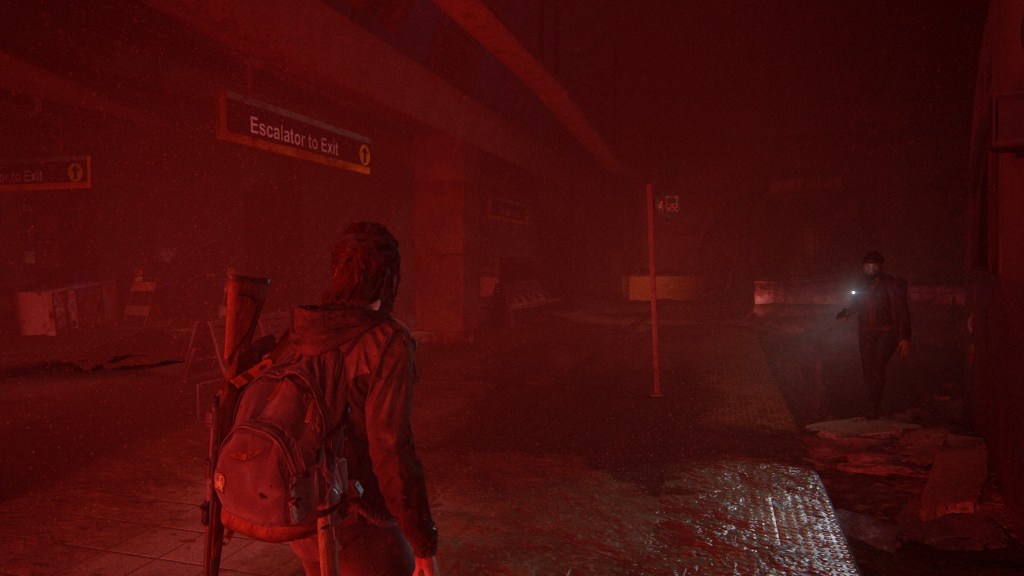
However, due to the sudden shifts in story development, some might find these changes to be overwhelming at times. This is because the game tries to subvert expectation during crucial moments, highlighting issues in overall pacing and structure of the plot. Still, the story stands out with a very strong and engaging approach to its message, bundled with plentiful moments of laughter, sorrow and suspense.
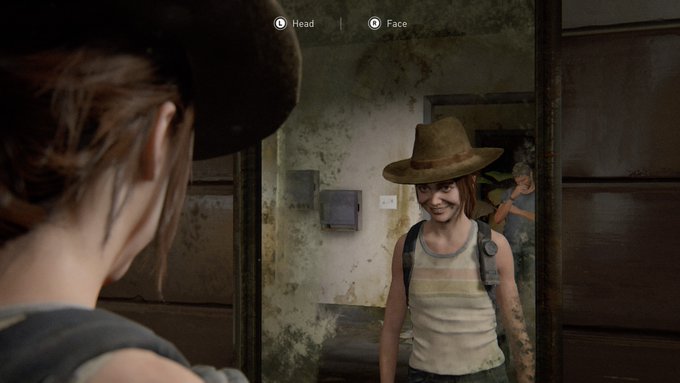
Of course, this wouldn’t be as successful without its use of cinematic storytelling. Done in such a powerful and riveting way, one could easily mistake it for a big-budget Hollywood film. While credit is due to Neil Druckmann and the rest of the Naughty Dog team, special mention must go to the stellar performances provided by the voice acting cast. Troy Baker and Ashley Johnson make a triumphant return reprising their roles as both Joel and Ellie, while Laura Bailey shares the helm with her role as Abby. Their portrayals bring the characters to life, evoking realistic emotions and personalities that immerses you in the game’s world.
It’s all about survival
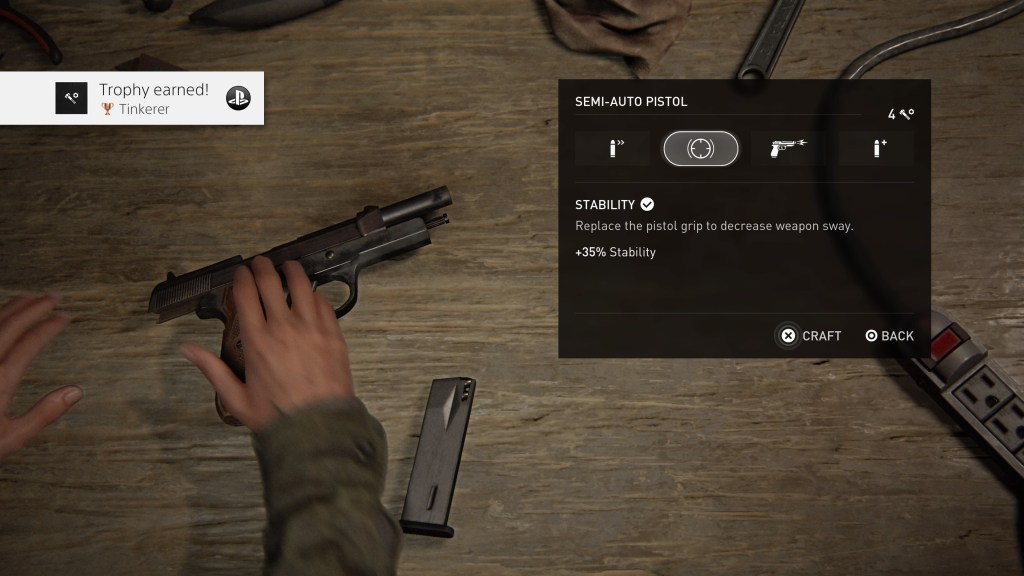
The Last of Us Part 2 makes some improvements to gameplay without changing too many things. Weapons and crafting, for example, remain relatively the same, with the biggest and notable change being found in the workbench. Rather than just having to imagine what the character is doing, we instead see them in the process of making improvements to the weapon directly. While this detail is certainly minute in the grand scheme of things, it’s entertaining to watch Ellie tear down and clean her guns every time.
Combat is a lot more expansive this time around, as players can choose the way they can fight in a given situation or environment. Each protagonist offer slightly different ways to play, which depends on their speciality and build. Ellie, for example, hasn’t grown that much in height since the first game, so most of her fights will encourage distractions and stealth. On the other hand, Abby is very muscular and well trained, so there are more opportunities for hand to hand combat during her segments. The AI for both sentient and infected enemies are also impressive, and paired with the large environments, encourages you to approach every situation with a sense of caution and creativity. You can either choose to take a more silent route and conserve resources or march through, guns blazing.

Speaking of environments, the game world is as visually impressive as ever. It’s perhaps one of the best looking games of this console generation, with God of War and Uncharted 4 vying for the top spot. The depiction of an urban city being reclaimed by nature is something to admire, and with its focus on Seattle, provides a much clearer picture of this transformation. Perhaps my favourite detail is how rivers and waterfalls have formed over streets and buildings, which emphasises how the natural world continues to flourish. The inclusion of the photo mode adds more ways to appreciate the landscape, giving you a chance to practice your photography in the comfort of your own home.

The Last of Us Part 2 is certainly one of the most controversial games in recent years, and its criticisms has helped highlight issues with fan expectation and response. While there are some areas where the structure and pacing could’ve been better, it doesn’t completely tarnish the message the game tries to present. Although the story may not be what you wanted to hear, it’s still a very strong story none the less. Outside of this, there are very few faults in the game worth mentioning. The gameplay and graphics stands among the best in the industry, especially considering the age of the system. As the Playstation 5’s holiday release draw near, The Last of Us Part 2 adds another pillar to the PS4’s staunch legacy.
9/10

Leave a Reply